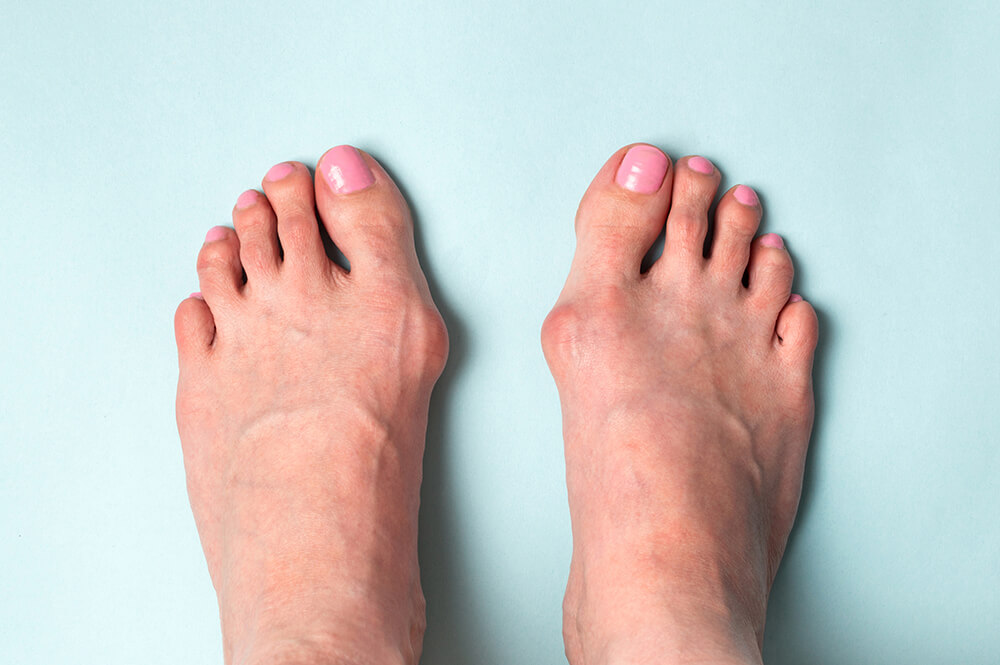
A bunion deformity is a common foot condition that gradually alters the structure of the joint at the base of the big toe, often leading to discomfort, pain, and visible changes in foot shape. While it may begin as a minor inconvenience, this condition can develop into a significant issue that affects mobility and quality of life if not properly addressed bunion deformity. Many people initially ignore the early signs, dismissing them as temporary irritation, but bunion deformity tends to progress over time, making awareness and timely care essential.
The condition develops when the big toe starts to lean toward the second toe, causing the joint at its base to protrude outward. This misalignment creates a noticeable bump on the side of the foot, which can become inflamed and tender. The deformity is not just a surface-level issue; it involves changes in the bones, ligaments, and tendons that support the toe. As these structures shift out of their natural alignment, the foot’s biomechanics are disrupted, leading to further complications.
One of the most common contributing factors to bunion deformity is footwear. Shoes that are too tight, narrow, or have high heels can place excessive pressure on the front of the foot, encouraging the big toe to shift inward. Over time, this repeated stress can worsen the deformity. However, footwear is not the sole cause. Genetics also play a significant role, as individuals with a family history of bunions are more likely to develop the condition. Structural abnormalities in the foot, such as flat feet or overly flexible joints, can also increase susceptibility.
Symptoms of bunion deformity can vary from mild to severe. In its early stages, a person may notice slight redness, swelling, or tenderness around the big toe joint. As the condition progresses, pain may become more persistent, especially when walking or wearing shoes. The skin over the bunion can become irritated, and corns or calluses may form where the toes rub against each other. In more advanced cases, the deformity can limit movement in the big toe, making it difficult to perform everyday activities comfortably.
Living with a bunion deformity can affect more than just physical comfort. It can also influence a person’s lifestyle and confidence. Choosing footwear becomes a challenge, as many styles may no longer fit properly or cause discomfort. Activities that involve prolonged standing or walking may become increasingly difficult. In some cases, individuals may avoid social situations or physical activities due to embarrassment or pain associated with the appearance of their feet.
Prevention and early intervention are key to managing bunion deformity effectively. Wearing properly fitting shoes with a wide toe box can help reduce pressure on the toes and slow the progression of the condition. Supportive footwear that provides adequate cushioning and arch support can also improve foot alignment and reduce strain. For individuals who spend long hours on their feet, taking regular breaks and performing simple foot exercises can help maintain flexibility and strength.
Non-surgical treatments are often the first approach in managing bunion deformity. These may include using protective pads or cushions to reduce friction, wearing orthotic devices to improve foot alignment, and applying ice to reduce inflammation. Pain relief medications may also be used to manage discomfort. While these measures do not reverse the deformity, they can significantly alleviate symptoms and improve quality of life.
In cases where conservative treatments are not effective, surgical intervention may be considered. Bunion surgery aims to realign the bones, correct the deformity, and restore normal function to the foot. There are various surgical techniques available, and the choice depends on the severity of the condition and the individual’s specific needs. Recovery from surgery can take time, but many patients experience significant improvement in both pain and foot appearance.
It is important to understand that bunion deformity is a progressive condition, meaning it tends to worsen over time if left untreated. Regular monitoring and early management can help prevent complications and reduce the need for more invasive treatments. Consulting a healthcare professional at the first sign of symptoms can provide valuable guidance and ensure appropriate care.
Education and awareness also play a crucial role in addressing bunion deformity. Many people are unaware of the long-term impact of improper footwear or ignore early warning signs until the condition becomes severe. By understanding the causes, symptoms, and treatment options, individuals can make informed decisions about their foot health and take proactive steps to protect it.
Maintaining overall foot health is an essential part of preventing and managing bunion deformity. This includes keeping the feet clean and dry, trimming toenails properly, and addressing any minor issues before they escalate. Regular foot check-ups can help detect changes early and allow for timely intervention. For individuals with underlying conditions such as arthritis or diabetes, extra care is necessary to avoid complications.
In conclusion, bunion deformity is a condition that goes beyond a simple cosmetic concern. It can have a significant impact on physical comfort, mobility, and overall well-being. By recognizing the early signs, understanding the contributing factors, and adopting preventive measures, individuals can manage the condition effectively and maintain an active lifestyle. Whether through simple lifestyle adjustments or medical intervention, addressing bunion deformity early can lead to better outcomes and improved quality of life.